
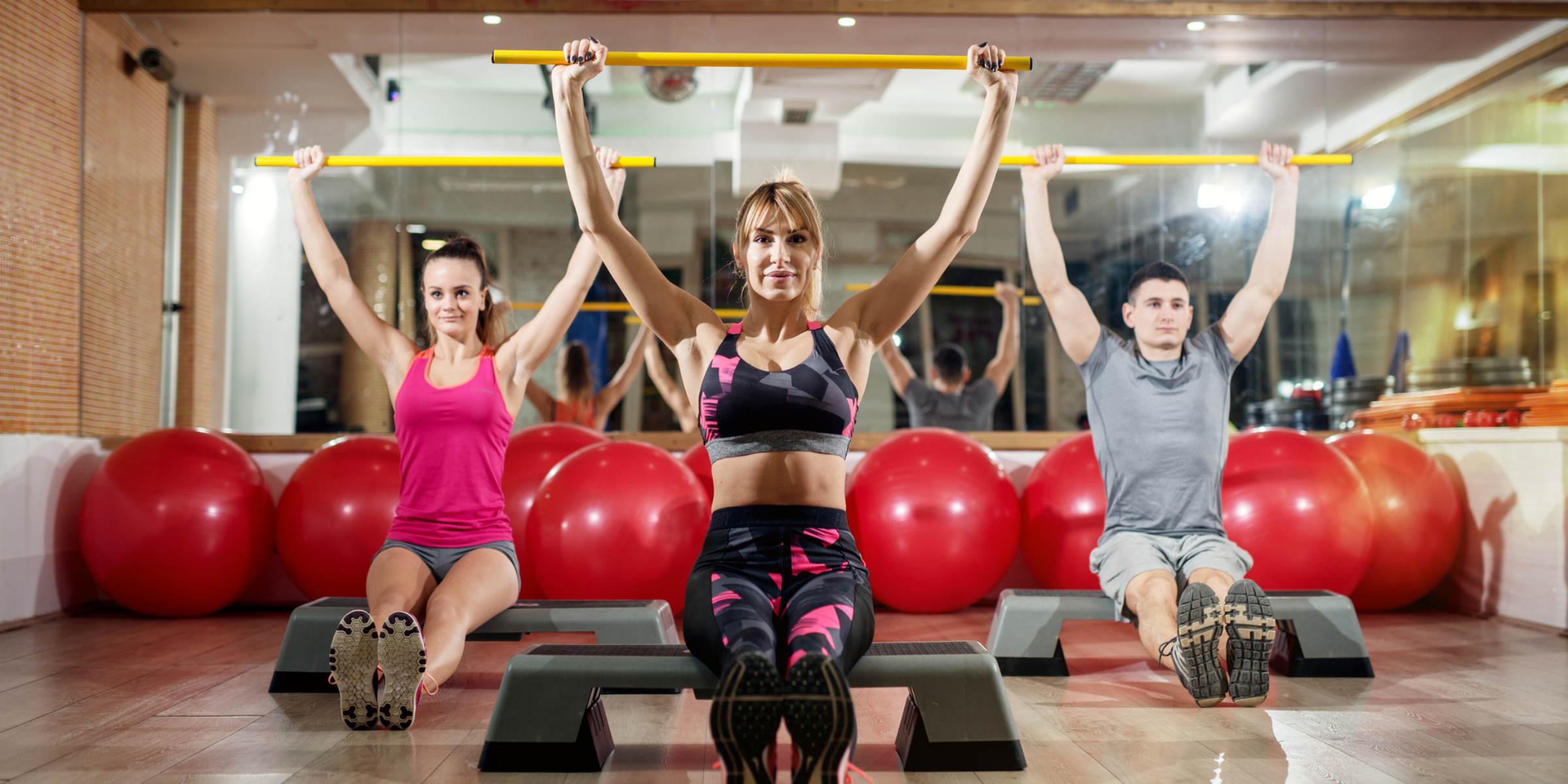
Are you looking for a way to strengthen your core while also feeling free and energized? Pilates bar workouts may be just what you need.
Pilates is a low-impact, high-reward exercise that focuses on improving flexibility, strength, and balance. Using a Pilates bar can provide additional support and resistance, allowing you to target your core muscles even more effectively.
In this article, we will explore the principles of Pilates and how to choose the right equipment for your needs. We will provide basic, intermediate, and advanced bar workouts to help you progress in your practice. Additionally, we will discuss how to use stability balls to increase the difficulty of your workouts and target specific muscle groups.
Whether you are a beginner or experienced Pilates practitioner, this article will provide valuable insights to help you reach your fitness goals and stay motivated along the way.
Understanding Pilates Principles
Let’s dive into the juicy details of how to master your Pilates practice by understanding the core principles! Incorporating Pilates principles into your daily routine can provide numerous benefits.
These principles include concentration, control, centering, precision, breath, and flow. By focusing on these principles, you can improve your posture, balance, flexibility, and core strength.
One common misconception about Pilates is that it’s only for people who are already fit and flexible. However, Pilates is suitable for people of all ages and fitness levels. The exercises can be modified to meet individual needs and abilities.
If you’re new to Pilates, it’s essential to start with the basics and gradually increase the intensity of your workouts. Another misconception is that Pilates is only for women. While Pilates was initially developed by a man, it’s suitable for anyone looking to improve their overall health and fitness.
Pilates can be an excellent complement to other types of exercise, such as weight training and cardio. By incorporating Pilates principles into your daily routine, you can achieve a more balanced and holistic approach to fitness.
Choosing the Right Equipment
When selecting equipment for Pilates exercises, it’s important to consider your fitness level and specific goals. Two of the most common options for Pilates equipment are the Pilates mat and the Pilates bar. The mat is a great choice for beginners or those on a tight budget, as it requires minimal equipment and can be done anywhere. However, if you’re looking for a more challenging workout, or if you want to add variety to your routine, the Pilates bar might be a better option for you.
Before purchasing any equipment, it’s important to consider your budget limitations. Pilates equipment can range from a few hundred dollars to several thousand, depending on the type and quality of the equipment. If you’re on a tight budget, consider purchasing used equipment or looking for deals online. Additionally, you’ll need to decide whether you want to do Pilates at home or in a studio. If you plan to work out at home, portable options like the Pilates bar might be a better choice for you.
It’s important to consider instructor recommendations and injury considerations when choosing Pilates equipment. While the mat vs. reformer debate rages on, it’s important to choose equipment that will help you meet your specific fitness goals and won’t exacerbate any existing injuries. Additionally, if you’re new to Pilates or have a history of injury, it’s always a good idea to work with a certified Pilates instructor who can help you choose the right equipment and modify exercises as needed.
Basic Bar Workouts for Beginners
If you’re just starting out with the Pilates bar, it’s easy to feel overwhelmed, but don’t worry – there are some basic exercises that are perfect for beginners like you.
Before you begin, make sure you have the proper form to avoid any injuries. Keep your shoulders relaxed, abs engaged, and feet hip-width apart.
As you progress, you can add modifications to increase the intensity of the workout.
To begin, try the basic footwork exercise. Place your feet on the bar and lift your hips off the ground. Move the bar up and down using your feet while keeping your shoulders and hips stable. This exercise is great for building core strength and improving balance.
Remember to use proper breathing techniques and pacing to get the most out of the workout.
Another great exercise for beginners is the roll-up. Lie on your back with your arms extended above your head, holding onto the bar. Slowly lift your head, neck, and shoulders off the ground and roll the bar towards your feet.
This exercise targets your abs and back muscles. If you find it too difficult, try bending your knees or using a lighter resistance band.
With consistent practice, you’ll be able to master these basic Pilates bar workouts and move onto more advanced exercises.
Intermediate Bar Workouts for Progression
Ready to take your bar workouts to the next level? Congratulations on reaching the intermediate level of Pilates bar workouts! However, it’s important to remember that safety should always come first. Before attempting any intermediate exercises, make sure you’ve mastered the basics and have proper form.
One way to modify bar workouts is to add resistance bands. This will help build endurance and increase the difficulty of the exercise. For example, try incorporating a band with your plie squats or bicep curls. This will not only challenge your muscles but also improve your coordination and balance.
Another way to modify your bar workouts is by adding more reps and sets. Start by increasing your reps by 5-10 and gradually adding more sets. This will help you build endurance and achieve better results. Remember, it’s important to take breaks and listen to your body. If you feel any discomfort or pain, stop the exercise and consult with a professional.
Intermediate bar workouts can help you reach your fitness goals and challenge your body. By adding resistance bands and increasing your reps and sets, you can modify your workouts and build endurance. Always remember to practice proper form and listen to your body to avoid injury. With these modifications, you can continue to progress and improve your overall strength and fitness.
Advanced Bar Workouts for Challenge
Get ready to take your bar workout routine to the next level with these advanced exercises! If you’re looking for a challenge, the Pilates bar can provide you with an intense workout that will test your physical limits. But don’t worry, these exercises also come with variations for experts and intensity modifications, so you can adjust them to your level.
One of the most challenging exercises on the Pilates bar is the hanging leg raise. This exercise is a great way to work your lower abs and hip flexors, but it requires a strong core and grip strength. To perform this exercise, hang from the bar with your arms straight and your legs straight out in front of you.
Raise your legs up to the bar, keeping them straight, and lower them back down slowly. Repeat for several reps, and remember to engage your core throughout the movement.
Another advanced exercise on the Pilates bar is the inverted pull-up. This exercise targets your back and biceps, but it also requires significant upper body strength. To perform this exercise, start in a hanging position with your hands facing away from you.
Pull yourself up towards the bar, keeping your body straight, and then lower yourself back down slowly. Repeat for several reps, and make sure to engage your core and keep your shoulders down throughout the movement.
Try these advanced exercises on the Pilates bar for a challenging workout that will help you strengthen your core and build your overall fitness level.
Incorporating Resistance Bands into Your Workout
Incorporating resistance bands into your routine can add a new level of challenge and variety to your workout. These bands are an excellent tool to help strengthen your core and improve your overall flexibility. Resistance bands come in different levels of resistance, making them customizable to your fitness level.
Resistance bands can help prevent injury by providing support during exercises. They also allow you to perform movements with a wider range of motion, which can help improve your flexibility. You can use them to target specific muscle groups, such as your abs, glutes, and arms. This customization can help you achieve your fitness goals faster and more efficiently.
When using resistance bands, it’s essential to maintain proper form to avoid injury. Make sure to anchor the band securely and stand in a neutral position with your feet hip-width apart. Keep your core engaged throughout the exercise and avoid overstretching the band.
Incorporating resistance bands into your workout can be a fun and challenging way to improve your fitness level while preventing injury.
Using Stability Balls for Increased Difficulty
If you’re looking for ways to challenge your core even more, look no further than using stability balls in your Pilates bar workouts. These large, inflatable balls add an element of instability to your exercises, forcing you to engage more muscles to maintain your balance. And with the addition of weights, you can also increase your strength training.
Here are 4 ways you can incorporate stability balls into your Pilates bar workouts:
- Plank with Stability Ball: Place your forearms on the stability ball and extend your legs behind you, coming into a plank position. Hold this position for as long as you can, making sure to engage your core muscles to keep the ball stable.
- Stability Ball Pass: Lie on your back with your legs extended and hold a stability ball between your hands and feet. Lift your legs and arms off the ground and pass the ball from your hands to your feet and back again, using your core muscles to maintain your balance.
- Weighted Stability Ball Crunch: Sit on the stability ball with your feet flat on the ground and a weight in your hands. Lean back until your back is resting on the ball and then crunch up, bringing the weight up towards the ceiling.
- Stability Ball Push-Up: Place your hands on the stability ball and come into a push-up position. Lower your chest towards the ball and then push yourself back up, using your core muscles to maintain your balance.
By incorporating stability balls into your Pilates bar workouts, you can challenge your balance and increase your strength training. So, grab a ball and try out these exercises to take your core workout to the next level.
Targeting Specific Muscle Groups with Bar Workouts
Ready to target specific muscle groups in your bar workouts? Let’s explore some exercises that will help you tone and sculpt your body. Pilates bar workouts are great for targeting specific muscle groups through isometric holds and muscle fatigue, maximizing your results. By incorporating these exercises into your workout routine, you can focus on areas that need more attention and see noticeable progress in your strength and muscle tone.
To target your arms and shoulders, try the bicep curl and overhead press. Hold the bar at shoulder-width distance with an underhand grip and slowly curl it up to your chest. Then, press the bar overhead and slowly lower it back down to your shoulders. This exercise will work your biceps, triceps, and shoulders simultaneously, giving you a full upper body workout.
For your lower body, try the lunges and squats. With the bar resting on your shoulders, step forward with one foot and bend both knees to lower your body into a lunge. Then, push back up to the starting position and repeat on the other side. For squats, keep your feet shoulder-width apart and slowly lower your body down as if you’re sitting back into a chair. Push back up to the starting position and repeat. These exercises will help tone your legs, glutes, and core.
Remember, injury prevention and proper form are crucial when doing any type of workout. Avoid common mistakes such as using too much weight or not keeping your back straight. By focusing on proper form and incorporating isometric holds and muscle fatigue into your bar workouts, you can target specific muscle groups and achieve the results you desire.
Combining Cardio and Pilates Bar Workouts
Get ready to take your bar workouts to the next level by combining them with cardio exercises for a full-body burn. Not only will you be strengthening your core and targeting specific muscle groups, but you’ll also be reaping the cardiovascular benefits of endurance training.
Incorporating cardio into your pilates bar workouts will increase your heart rate and help you burn more calories. By doing so, you’ll be improving your overall fitness and endurance, which will allow you to push yourself harder during your bar workouts.
Some great cardio exercises to incorporate into your pilates bar routine include jumping jacks, high knees, and mountain climbers. By alternating between these exercises and bar exercises, you’ll be able to keep your heart rate up and challenge your body in new ways.
So, if you’re looking for a way to take your bar workouts to the next level, try adding some cardio exercises into the mix.
Tracking Your Progress and Staying Motivated
You’ll stay motivated and see your progress when you track your fitness journey with a workout journal or app. Setting goals is a great way to stay on track and keep yourself accountable. Write down your fitness goals, both short-term and long-term, and make sure they’re specific, measurable, and achievable.
When you have goals in place, you can track your progress and see how far you’ve come. Use a workout journal or app to record your workouts, including the exercises you did, the number of reps and sets, and any modifications you made. Seeing your progress in black and white can be incredibly motivating and help you stay committed to your fitness journey.
Another way to stay motivated is to find accountability partners. This can be a friend who also enjoys working out, a personal trainer, or an online fitness community. Share your goals with them and ask for their support and encouragement. When you have someone to share your journey with, it can make the process more enjoyable and help keep you on track.
With these tips in mind, you can strengthen your core with Pilates bar workouts and stay motivated along the way.
Conclusion
Congratulations on completing this article on Pilates bar workouts! By now, you should have a good understanding of the Pilates principles and how to choose the right equipment for your workout.
You’ve also learned basic, intermediate, and advanced bar workouts to help you progress and challenge yourself. Remember to always use proper form and technique to avoid injuries.
You can also try using stability balls to increase the difficulty of your workouts and target specific muscle groups. Combining cardio with Pilates bar workouts can also help you improve your overall fitness level.
Lastly, don’t forget to track your progress and stay motivated. The key to achieving your fitness goals is consistency and commitment. With dedication and hard work, you can strengthen your core and improve your overall physical health.
So, go out there and keep pushing yourself to be the best version of yourself!
