
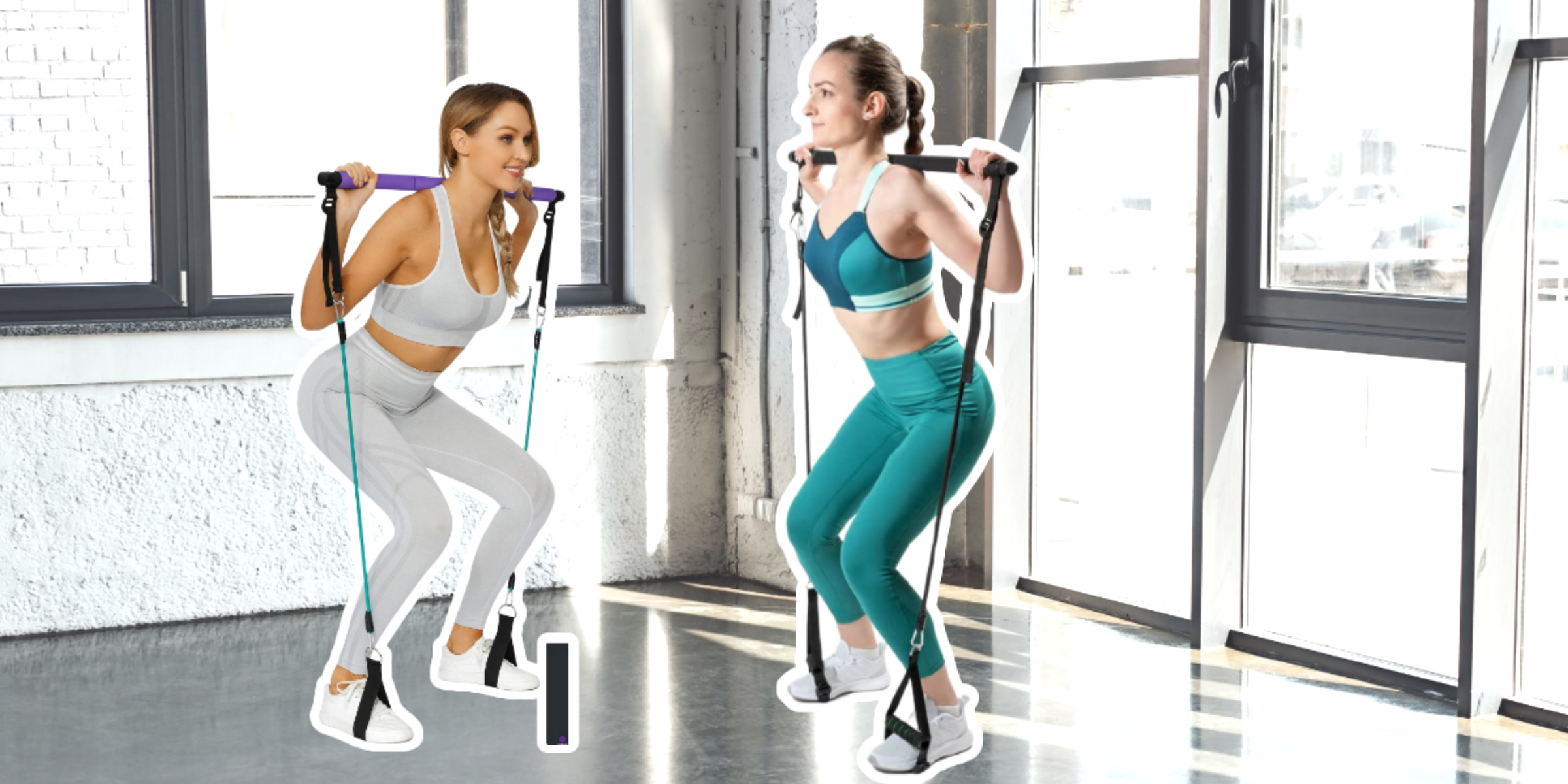
Are you looking to add a new dimension to your Pilates routine? A Pilates bar could be the perfect addition to your workout gear. But with so many options on the market, it can be overwhelming to choose the right one for your fitness goals.
That’s where this ultimate Pilates bar buying guide comes in – it’s your roadmap to finding the perfect bar for your needs. In this guide, we’ll explore the different types and features of Pilates bars, the benefits of using one in your workout, and the factors you should consider when making your purchase.
From resistance level to construction quality, we’ll cover everything you need to know to make an informed decision. Plus, we’ll share reviews and recommendations from other users to help you weigh your options. With this guide, you’ll be equipped to choose a Pilates bar that fits your body, your workout space, and your budget – giving you the freedom to achieve your fitness goals.
Understanding Pilates Bars: Types and Features
So, you’re ready to take your Pilates game to the next level and understand all the different types and features of Pilates bars – get ready to feel empowered and in control of your fitness journey!
When it comes to Pilates bars, there are two main types: portable and studio bars. Portable bars are great for home workouts and are lightweight and easy to move around. Studio bars, on the other hand, are more durable and heavy-duty, designed for use in a professional setting.
When choosing a Pilates bar, it’s important to consider construction features. The frame of the bar should be made from sturdy materials and have a solid base to prevent it from tipping over. Look for bars with adjustable height options, so you can customize the bar to your specific needs. Some bars also come with resistance bands or springs, which can add an extra level of challenge to your workouts.
Another important feature to consider is the grip. Look for bars with comfortable, non-slip handles that won’t cause pain or discomfort during your workout. You may also want to consider the length of the bar – longer bars can accommodate a wider range of exercises, while shorter bars are more versatile and easier to store.
By understanding the different types and features of Pilates bars, you can make an informed decision and choose the perfect bar to help you achieve your fitness goals.
Benefits of Using a Pilates Bar in Your Workout
If you’re looking to elevate your workout routine, incorporating a Pilates bar can lead to increased strength and flexibility, making it a valuable addition to your fitness regimen. Here are some benefits of using a Pilates bar in your workout:
- Improving flexibility: Using a Pilates bar in your workout routine can help you increase your flexibility. The bar provides a stable support for your body, allowing you to stretch and move your body in ways that may have been challenging before. Pilates exercises that involve the bar can be particularly helpful in improving flexibility in the legs, hips, and back.
- Toning muscles: Pilates exercises with the bar can also be great for toning muscles. The bar adds resistance to your movements, which can help you build strength in your muscles. This can lead to a leaner, more toned physique. Pilates bars are particularly effective for toning the arms, shoulders, and back muscles.
- Engaging your core: Many Pilates exercises with the bar require you to engage your core muscles to maintain proper form and balance. This can lead to stronger core muscles, which can improve your overall stability and balance. A strong core can also improve your posture and reduce your risk of injury.
- Low-impact: Pilates exercises with the bar are generally low-impact, which means they’re less likely to cause stress on your joints. This makes them a great option for people who may be recovering from an injury or who have joint pain. Pilates bars can also be a good way to add variety to your workout routine without putting too much strain on your body.
Incorporating a Pilates bar into your workout routine can have many benefits, including improved flexibility, toned muscles, engaged core muscles, and low-impact exercise. By using the bar in your workouts, you can challenge your body in new ways and reach your fitness goals.
Choosing the Right Resistance Level
When choosing the right resistance level for your Pilates bar, you’ll want to consider your current fitness level and the goals you have for your workout. Pilates bars offer a range of resistance levels, making it easy to customize your workout. It’s important to choose a resistance level that challenges you but also allows you to perform exercises with proper form.
Resistance levels for Pilates bars are typically color-coded, with each color representing a different level of resistance. To help you choose the right resistance level for your fitness goals, we’ve created a table below outlining the different colors and their corresponding resistance levels. It’s important to note that these levels may vary slightly depending on the brand of your Pilates bar.
| Resistance Level | Color |
|---|---|
| Light Resistance | Yellow |
| Medium Resistance | Green |
| Heavy Resistance | Red |
| Extra Heavy Resistance | Blue |
If you find that the resistance levels provided by your pilates bar are not challenging enough, there are resistance band alternatives that you can use to add more resistance to your workout. Resistance bands can be used in conjunction with your pilates bar to increase the level of resistance, allowing you to continue to challenge yourself and progress in your fitness journey. Overall, choosing the right resistance level for your pilates bar is crucial to achieving your fitness goals and ensuring proper form during your exercises.
Length and Diameter: Finding the Right Fit
To ensure a comfortable and effective workout, you’ll want to find a Pilates bar with the right length and grip diameter for your body. Bar length is an important consideration because it affects both your range of motion and the exercises you can perform. Longer bars are better suited for taller individuals, while shorter bars work well for those of smaller stature.
It’s important to select a bar that allows you to perform all the exercises you need to without feeling constrained or uncomfortable. Grip diameter is another crucial factor to consider when choosing a Pilates bar. A bar that is too thin might be difficult to hold onto, while a bar that is too thick can strain your hands and wrists.
Generally, a diameter of 1-1.5 inches is considered ideal for most people, but it ultimately comes down to personal preference and comfort. It’s a good idea to try out a few different options before making a final decision, so you can determine what feels best for you.
In addition to bar length and grip diameter, it’s also important to consider the material and construction of the bar. Look for a bar that is sturdy and durable, with a comfortable grip that won’t slip or cause discomfort. A good pilates bar should be able to withstand frequent use and provide a reliable workout experience every time.
With the right combination of length, diameter, and construction, you can find the perfect Pilates bar to help you achieve your fitness goals.
Material Matters: Comparing Wood, Metal, and Plastic Bars
When it comes to selecting the right material for your pilates bar, you’ll want to consider the pros and cons of wood, metal, and plastic options. Each material has its own set of advantages and disadvantages, and it’s important to weigh them carefully before making a final decision.
Here are some pros and cons to consider for each material:
- Wood: A wooden pilates bar provides a natural, organic feel that many people find appealing. It’s also lightweight, making it easy to transport and store. However, wooden bars can be more expensive than other options, and they require regular maintenance to keep them in good condition.
- Metal: Metal bars are strong and durable, making them a good choice for heavy use. They also tend to be less expensive than wooden bars. However, metal can be cold to the touch, which may be uncomfortable for some users. They may also require regular cleaning to prevent rust or corrosion.
- Plastic: Plastic bars are affordable and easy to maintain. They’re also lightweight, making them a good option for beginners or those who want a bar for home use. However, plastic bars may not be as durable as wood or metal, and they may not provide the same level of resistance during workouts.
No matter which material you choose, it’s important to follow proper maintenance tips to keep your pilates bar in good condition. This may include wiping it down after each use, storing it in a dry place, and inspecting it regularly for any signs of wear or damage. With the right care, your pilates bar can provide years of use and help you achieve your fitness goals.
Grip and Comfort: Evaluating Handle Options
Get a comfortable and secure grip during your Pilates workouts by carefully evaluating the different handle options available. When it comes to grip and comfort, non-slip options are highly recommended. Look for handles that come with a rubberized texture or foam padding to prevent slipping and provide a firm grip. This will ensure that your hands won’t slip during exercises that require a strong hold.
Another factor to consider is handle thickness. A thicker handle can provide a more comfortable grip, especially for users with larger hands. However, keep in mind that a too-thick handle can make it difficult to maintain a proper grip during exercises. It’s important to find the right balance between thickness and comfort to get the most out of your Pilates bar workouts.
Ultimately, the handle options you choose will depend on your personal preferences and fitness goals. Some people prefer a minimalist design with no added padding, while others prioritize comfort and grip above all else. Whatever your preference, take the time to evaluate different handle options and choose the one that best suits your needs.
With the right handle, you’ll be able to focus on your Pilates routine and achieve your fitness goals with ease.
Portability and Storage: Finding the Right Size and Weight
Now, you’re probably wondering about the size and weight of the Pilates bar and how it will fit into your lifestyle. Portability and storage are important factors to consider when choosing the perfect bar for your fitness goals. If you’re someone who is always on the go, a lightweight and compact bar would be ideal for you. However, if you have limited storage space at home, you may want to opt for a collapsible bar that can easily be tucked away when not in use.
When it comes to finding the right size and weight, it’s important to consider your own strength and physical abilities. A heavier bar may provide more resistance for a challenging workout, but it may also be too much for someone who is just starting out. On the other hand, a lightweight bar may not provide enough resistance for someone who is more advanced in their practice. It’s all about finding the right balance between portability and functionality.
Travel-friendly options for on the go workouts are also important to consider. Many bars come with carrying cases or can easily fit into a suitcase for those who frequently travel. This allows you to continue your practice even while on vacation or away on business. By taking the time to consider your lifestyle and needs, you can find the perfect Pilates bar that fits seamlessly into your routine.
| Feature | Lightweight Bar | Collapsible Bar | Heavy-Duty Bar |
|---|---|---|---|
| Portability | Easy to carry and transport | Can be collapsed for easy storage | May be more difficult to transport |
| Storage | Can be stored in small spaces | Takes up slightly more space when collapsed | May require more storage space |
| Resistance | Ideal for beginners or those who prefer less resistance | Provides moderate resistance for most users | Provides maximum resistance for advanced users |
| Travel-Friendly | Can easily fit into a suitcase for travel | May come with carrying case for easy transport | May be too heavy for frequent travel |
Stability and Durability: Evaluating Construction Quality
Assessing the stability and durability of a Pilates bar is crucial in ensuring a safe and effective workout experience. Stability refers to the ability of the bar to stay in place during exercises, while durability refers to the bar’s ability to withstand wear and tear over time. A stable and durable Pilates bar is essential in keeping you safe during your workout and ensuring that you get the most out of your investment.
The importance of stability can’t be overstated. A wobbly Pilates bar can increase the risk of injury, especially during exercises that require balance and coordination. A stable bar, on the other hand, provides a solid foundation for your workout, allowing you to focus on your form and technique.
When evaluating stability, consider the weight of the bar, the width of the base, and the quality of the materials used in construction.
Ensuring durability is also critical in choosing the right Pilates bar. A well-constructed bar will last longer and require less maintenance than a poorly made one. Look for bars made from high-quality materials, such as steel or aluminum, that can withstand repeated use and the stresses of exercise. Additionally, pay attention to the hardware used in the construction of the bar. Screws and bolts should be tight and secure, and the bar should not show any signs of wear or damage.
By prioritizing stability and durability, you can select a Pilates bar that will serve you well for years to come.
Reviews and Recommendations: Learning from Other Users
Looking for reviews and recommendations from other users can provide valuable insights when selecting a pilates bar that will meet your stability and durability needs. Real life experiences from other users can help you weigh the pros and cons of different brands and models, giving you a more informed perspective on which bar is right for you. By reading user feedback, you can also learn about any potential issues or limitations of a particular bar before you make a purchase.
When looking for reviews and recommendations, it’s important to consider the source. Look for reviews from reputable sources, such as fitness blogs or online retailers with a large customer base. You can also ask for recommendations from friends or colleagues who practice Pilates. By gathering a variety of opinions, you can get a well-rounded view of the pros and cons of different bars and brands.
Some popular brands of Pilates bars include Balanced Body, Stamina, and Power Systems. Each of these brands offers a variety of models with different features and price points, so it’s important to do your research and read reviews before making a purchase. By taking the time to learn from other users’ experiences, you can increase your chances of finding a Pilates bar that will meet your stability and durability needs and help you achieve your fitness goals.
| Brand | Pros | Cons |
|---|---|---|
| Balanced Body | Durable construction, comfortable grip | Expensive |
| Stamina | Affordable, lightweight | May not be as durable as other brands |
| Power Systems | Versatile, adjustable resistance | Some users report issues with the foot straps |
| Merrithew | Wide range of products for all fitness levels | Limited availability in some areas |
Making the Purchase: Where to Buy Your Pilates Bar and What to Expect
When purchasing a Pilates bar, it’s important to consider where you can buy the bar and what you can expect in terms of pricing and shipping options.
One option is to purchase online. Online shopping allows you to compare prices from different retailers and may offer discounts or free shipping. However, there are also some cons to online shopping such as not being able to physically test the product before purchasing and potential shipping delays.
Another option is to visit a physical store to purchase your Pilates bar. In-store shopping allows you to test the product before purchasing and receive immediate assistance from knowledgeable staff. However, in-store prices may be higher than online prices and there may be limited options available at a particular store.
If you choose to purchase from a physical store, it’s important to know that you can negotiate prices. Don’t be afraid to ask for a discount or to see if there are any ongoing promotions. It’s also a good idea to do some research beforehand to ensure that you’re getting a fair price.
Ultimately, the decision of where to purchase your Pilates bar depends on your personal preference and priorities.
Conclusion
Congratulations! You’ve made it to the end of our ultimate Pilates bar buying guide.
You now have all the information you need to choose the perfect bar for your fitness goals.
Remember, understanding the types and features of Pilates bars, as well as the benefits they can bring to your workout, is crucial in making an informed decision.
Don’t forget to consider factors such as resistance level, length and diameter, material, portability and storage, stability and durability, reviews and recommendations, and where to purchase your bar.
By using these guidelines, you’ll be able to find a Pilates bar that suits your needs and preferences.
Whether you’re a beginner or an experienced Pilates enthusiast, a Pilates bar can add an extra dimension to your workout routine.
So what are you waiting for? Get ready to take your Pilates practice to the next level with your new Pilates bar!
