
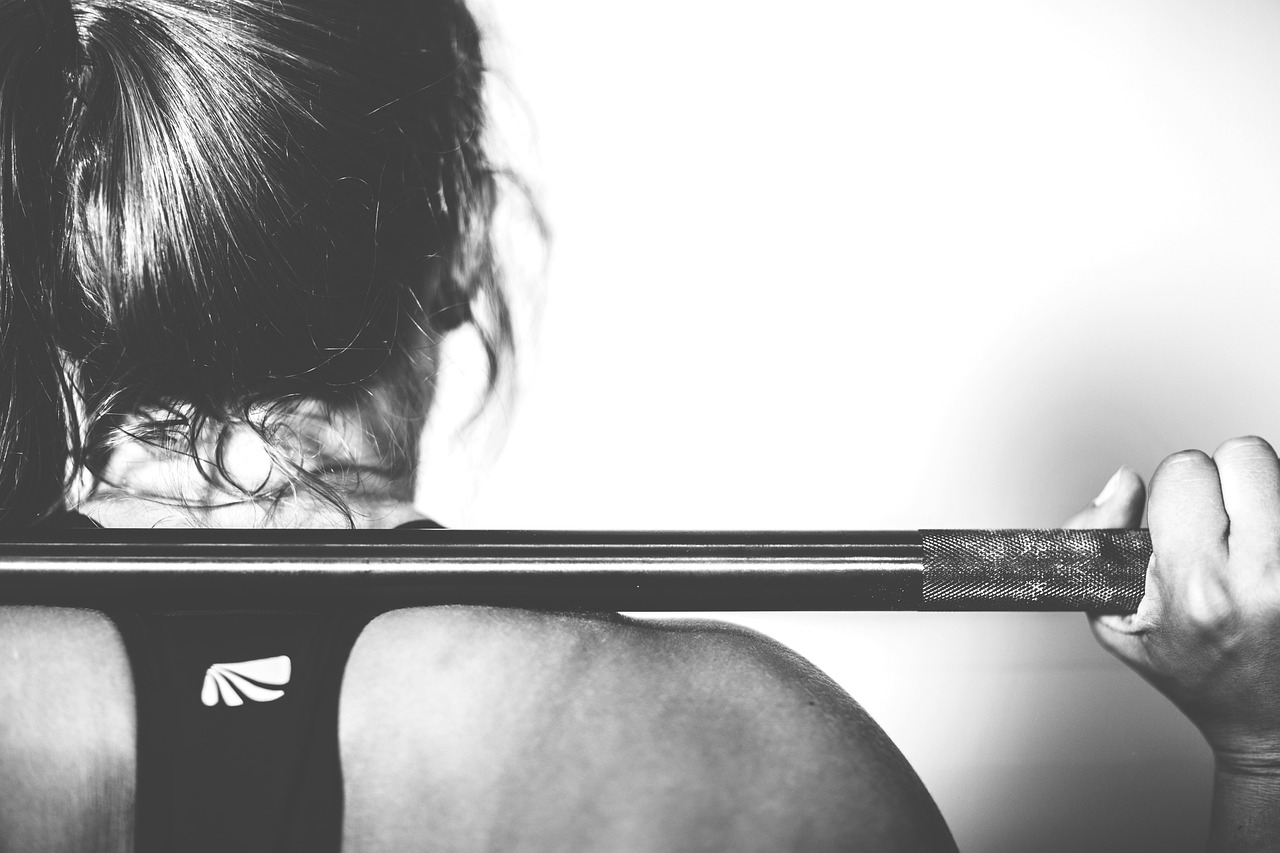
If you’re looking to elevate your fitness routine to new heights, it’s time to master the art of Pilates and explore dynamic Pilates bar exercises.
Pilates is a low-impact, full-body workout that focuses on building strength, flexibility, and balance. By incorporating the Pilates bar into your routine, you can take your workout to the next level and challenge your body in new ways.
The Pilates bar, also known as the Pilates stick or the Pilates tower, is a versatile piece of equipment that can be used for a wide range of exercises. It consists of a long metal bar with attached resistance bands or springs that provide resistance as you move through different movements.
Whether you’re a beginner or an experienced Pilates practitioner, the Pilates bar can help you target specific muscle groups and increase your overall strength and flexibility.
So, if you’re ready to take your fitness to the next level, grab a Pilates bar and get ready to explore a whole new world of dynamic Pilates exercises.
The Benefits of Pilates for Total Body Fitness
Pilates is a fantastic way to achieve total body fitness, with benefits that include improved flexibility, increased strength, and enhanced posture.
One of the main benefits of Pilates is that it can help improve your posture. Many of the exercises in Pilates are designed to target the core muscles, which are essential for good posture. By strengthening your core, you can improve your alignment and reduce your risk of developing back pain.
Another benefit of Pilates is that it can help increase your flexibility. The slow and controlled movements in Pilates can help improve your range of motion and make everyday activities easier. Additionally, by improving your flexibility, you can reduce your risk of injury during exercise and other physical activities.
Overall, incorporating Pilates into your fitness routine can have a significant impact on your total body fitness. By improving your posture and increasing your flexibility, you can feel stronger, more mobile, and more confident in your body. Whether you’re a beginner or an experienced athlete, Pilates is a great way to take your fitness to the next level.
Understanding the Pilates Bar: An Introduction
The introduction to the Pilates Bar can be a valuable addition to any fitness regimen, offering a new level of resistance and versatility. Pilates Bars come in different types, each with their own unique features and benefits. Here are some types of Pilates Bars that you may encounter:
- Classic Pilates Bar – This type of bar is a long metal or wooden bar with two springs attached on either end. It is used for a range of Pilates exercises that focus on building strength, balance, and coordination.
- Resistance Band Pilates Bar – This type of bar is similar to the classic Pilates Bar but comes with resistance bands attached to the springs. This adds an extra level of resistance and allows for a greater range of motion in exercises.
- Portable Pilates Bar – This type of bar is lightweight and easy to carry around. It usually consists of two shorter bars with a resistance band attached in the middle. This makes it perfect for home use or travel.
- Tower Pilates Bar – This type of bar is attached to a Pilates Tower, which is a large vertical frame with springs and bars attached. It offers a wider range of exercises and greater resistance, making it perfect for more advanced Pilates practitioners.
By understanding the different types of Pilates Bars available, you can choose the one that best suits your needs and fitness goals. Incorporating the Pilates Bar into your fitness routine can help you achieve greater strength, flexibility, and overall fitness. So why not give it a try and see how it can elevate your workouts?
Getting Started: Essential Equipment and Safety Tips
Ready to step up your workout game? If you’re new to dynamic Pilates bar exercises, it’s important to prioritize safety and choose the right gear.
First, invest in a sturdy Pilates bar that can withstand intense movements and won’t easily slip from your grip. Look for a bar with a comfortable grip and a length that suits your height.
To prevent injury during your workouts, it’s also important to wear proper attire. Choose breathable, flexible clothing that allows you to move freely without restriction. Avoid loose or baggy clothing that could get caught on the Pilates bar or other equipment. Additionally, wear supportive athletic shoes with good traction to help prevent slips and falls.
Before beginning any Pilates bar exercise, it’s important to warm up your muscles and stretch properly. This can help prevent injury and improve overall performance. Take a few minutes to stretch your arms, legs, and core, and consider incorporating some light cardio exercises to get your heart rate up.
With the right gear and safety precautions, you’ll be able to enjoy the benefits of dynamic Pilates bar exercises while minimizing your risk of injury.
Basic Bar Exercises for Beginners
Invest in a sturdy bar and wear proper attire for safe and effective basic exercises. Before you start with any bar exercises, make sure you have a sturdy bar that can handle your weight and movements. Look for a bar that’s adjustable and can be used for different exercises.
It’s also important to wear comfortable and breathable clothing that allows easy movement. Avoid baggy clothes that can get caught in the bar. Bar technique and proper form are crucial for effective workouts and preventing injury. When doing bar exercises, focus on engaging your core muscles by pulling your navel towards your spine.
Keep your shoulders relaxed and down, and your chest lifted. When performing movements, make sure to maintain proper alignment and avoid rounding your back. It’s also important to maintain control and not swing or jerk the bar. Breathing techniques play a crucial role in Pilates exercises.
Always breathe deeply and evenly throughout the exercises, inhaling through your nose and exhaling through your mouth. This helps to oxygenate your muscles and increase relaxation. Engage your core muscles on the exhale to maximize the effectiveness of the exercise.
With proper technique, basic bar exercises can be challenging and effective for building strength and improving flexibility.
Intermediate Pilates Bar Exercises for Increased Challenge
Get ready to take your bar workouts to the next level with these intermediate exercises that will challenge your muscles and improve your overall strength and flexibility. These exercises are designed to help you master the art of Pilates and elevate your fitness routine. You’ll be amazed at the results you can achieve with just a few simple exercises.
The first exercise is the side leg lift, which targets your glutes and outer thighs. To perform this exercise, stand beside the bar with your feet together. Place your left hand on the bar for balance and lift your right leg out to the side, keeping your foot flexed. Hold for a few seconds, then lower your leg back down. Repeat on the other side. This exercise will challenge your balance and core engagement while targeting your legs.
The second exercise is the leg circle, which focuses on your core and hip mobility. Begin by lying on your back with your legs extended towards the bar and your hands holding onto it. Lift your legs up towards the ceiling and draw a circle with your feet, making sure to keep your hips stable. Repeat in the opposite direction. This exercise will challenge your core engagement and improve your overall flexibility.
The third exercise is the plank with leg lift, which targets your abs, back, and glutes. Begin in a plank position with your hands on the bar and your feet hip-distance apart. Lift your right leg up towards the ceiling while keeping your hips stable. Hold for a few seconds, then lower your leg back down. Repeat on the other side. This exercise will challenge your core engagement and improve your overall strength.
Incorporate these exercises into your routine and watch as your fitness level improves.
Advanced Bar Exercises for Elite Practitioners
Congratulations on mastering the intermediate Pilates bar exercises! You’ve shown great dedication and commitment to your practice, and now it’s time to take it to the next level.
As an elite practitioner, you’re ready for advanced bar exercises that will challenge your strength, flexibility, and balance. The advanced bar exercises are modifications of the previous exercises, but with added intensity and difficulty. You’ll need to focus on your form and alignment to execute these exercises correctly and safely.
Here are some of the elite modifications and advanced variations that you can incorporate into your routine:
- Single-leg exercises: This variation requires you to balance on one leg while performing the exercise. It challenges your core stability, leg strength, and coordination. Try single-leg squats, lunges, and kicks on the bar.
- Plyometric exercises: These are explosive movements that involve jumping and landing. They improve your power, speed, and agility. Try plyometric jumps, hops, and skips on the bar.
- Unstable surface exercises: These exercises require you to perform the exercise on an unstable surface, such as a foam roller or a wobble board. They challenge your balance, proprioception, and neuromuscular control. Try unstable planks, push-ups, and squats on the bar.
Remember to warm up before attempting these exercises and to progress gradually. Don’t rush into the advanced variations without mastering the basics first. With consistent practice and patience, you’ll be able to master these advanced bar exercises and elevate your fitness routine to the next level.
Keep pushing yourself and enjoy the journey!
Targeting Specific Muscle Groups with Bar Workouts
By focusing on specific muscle groups, you can sculpt and tone your body with bar workouts, creating a lean and strong physique. Muscle activation is key in targeting specific areas of your body for toning and building strength. With dynamic Pilates bar exercises, you can engage multiple muscle groups at once, maximizing your workout and achieving your fitness goals.
To start targeting specific muscle groups with bar workouts, it is important to understand which muscles are being activated during each exercise. For example, the plié squat with calf raise targets the quads, glutes, and calves, while the tricep extension targets the triceps and upper back muscles. By incorporating a variety of exercises that target different muscle groups, you can create a well-rounded workout that will help you achieve the results you desire.
Targeted toning with bar workouts can also help improve your overall physical performance, making daily activities easier and more enjoyable. By strengthening your core and lower body muscles, you can improve your balance and stability, making it easier to move through your day with ease. So why not try incorporating dynamic Pilates bar exercises into your fitness routine today and start seeing the results for yourself?
Incorporating Pilates Bar Exercises into Your Regular Workout Routine
Now that you know how to target specific muscle groups with bar workouts, it’s time to take your fitness routine to the next level by incorporating dynamic Pilates bar exercises. With Pilates, you’ll not only strengthen your muscles but also improve your flexibility, balance, and posture. The addition of the bar adds resistance and stability, making it a perfect tool for a challenging yet low-impact workout.
To start incorporating Pilates bar exercises into your routine, begin by adding a few bar exercises to your regular Pilates mat routine. This will allow you to get comfortable with the equipment and the movements. Once you feel confident, you can start exploring the many variations for diversity.
You can try different foot positions, grip placements, and bar heights to work different muscle groups and add variety to your workout. Another way to incorporate the Pilates bar into your routine is by combining it with other workouts.
For example, you can use the bar during your yoga practice to deepen your stretches or during your strength training routine to add more resistance. The possibilities are endless, and the Pilates bar is a versatile tool that can be used in many different ways.
So, if you’re looking to elevate your fitness routine, give Pilates bar exercises a try and see the results for yourself.
Tips for Progression and Continued Improvement
Ready to take your Pilates bar workouts to the next level? Here are some progression tips and advanced techniques to help you continue improving:
- Increase resistance gradually: As you become more comfortable with the basic Pilates exercises using the bar, try adding more resistance to challenge your muscles. You can do this by using heavier resistance bands or adjusting the springs on your Pilates machine. However, it’s important to increase resistance gradually to avoid injury and to ensure that your form remains correct.
- Incorporate more dynamic movements: Pilates bar exercises are great for building strength and improving posture, but they can also be used for dynamic movements that challenge your balance and coordination. Try incorporating exercises like lunges, squats, and jumps to add more variety to your routine and to keep your body guessing.
- Seek guidance from a professional: If you’re serious about improving your Pilates bar workouts, consider seeking guidance from a professional instructor. They can provide personalized feedback on your form, suggest modifications and adjustments, and help you progress safely and effectively. You can also consider taking advanced Pilates classes or workshops to learn new techniques and challenge yourself even further.
By following these progression tips and incorporating advanced techniques into your Pilates bar workouts, you can continue improving your strength, flexibility, and overall fitness. Remember to listen to your body, progress gradually, and seek guidance as needed to ensure that you’re getting the most out of your Pilates practice.
Enjoying the Rewards of a Stronger, More Balanced Body
You’ve put in the hard work and dedication to progress your Pilates bar workouts, and now you get to enjoy the rewards of a stronger, more balanced body.
With consistent training, you’ve strengthened your core muscles, which are essential for maintaining proper posture and preventing back pain. Your improved flexibility has also allowed you to move more freely and comfortably in your daily life.
As you continue to practice Pilates bar exercises, you’ll notice even more benefits. Your increased strength and flexibility will make it easier to perform everyday tasks and participate in physical activities. You may also experience improved balance and coordination, which can help prevent falls and injuries.
In addition to the physical benefits, Pilates can also have a positive impact on your mental health. Focusing on your breath and movement during a Pilates session can help reduce stress and anxiety. The mind-body connection that’s emphasized in Pilates can also promote mindfulness and self-awareness, allowing you to better understand and care for your body.
Conclusion
Congratulations on completing this guide to mastering the art of Pilates with dynamic Pilates bar exercises! By now, you should have a good understanding of the benefits of Pilates for total body fitness, the basics of the Pilates bar, and essential equipment and safety tips.
Whether you’re a beginner or an experienced Pilates enthusiast, incorporating Pilates bar exercises into your regular workout routine can help you achieve greater strength, flexibility, and balance. With a focus on targeting specific muscle groups and incorporating intermediate exercises for increased challenge, you can enjoy the rewards of a stronger, more balanced body.
Remember, progression and continued improvement are key to mastering Pilates bar exercises. So keep practicing and challenging yourself, and you’ll see the results in no time.
Happy Pilates!
